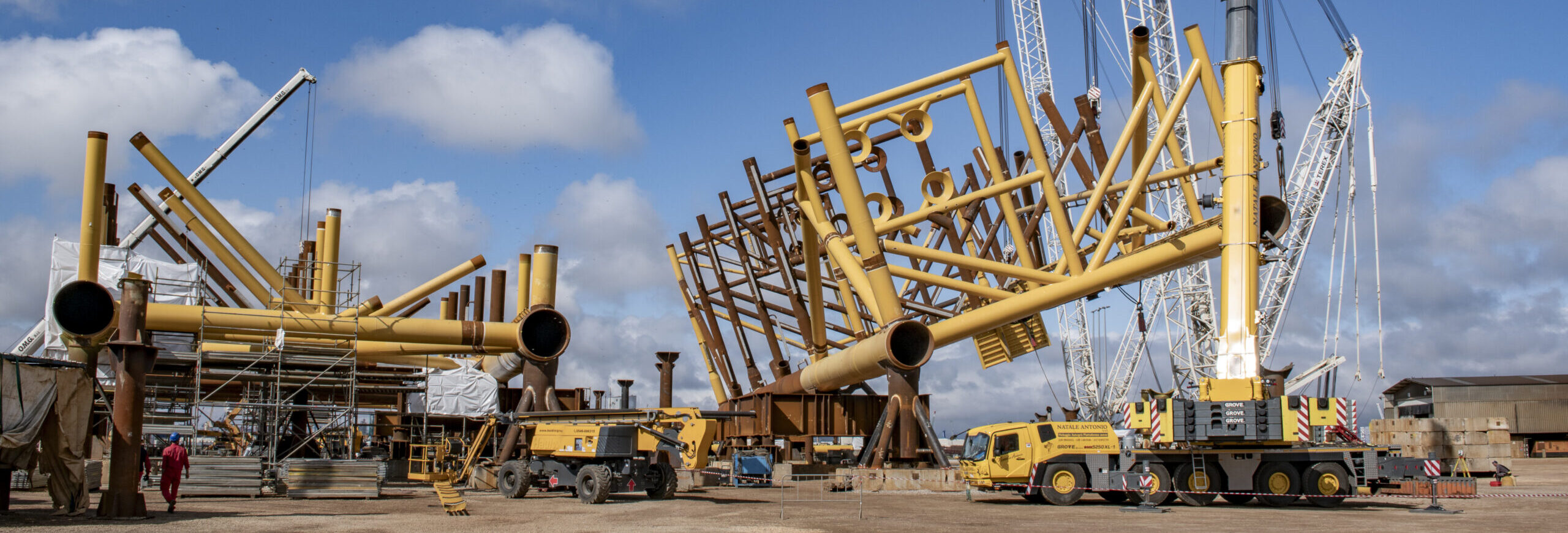
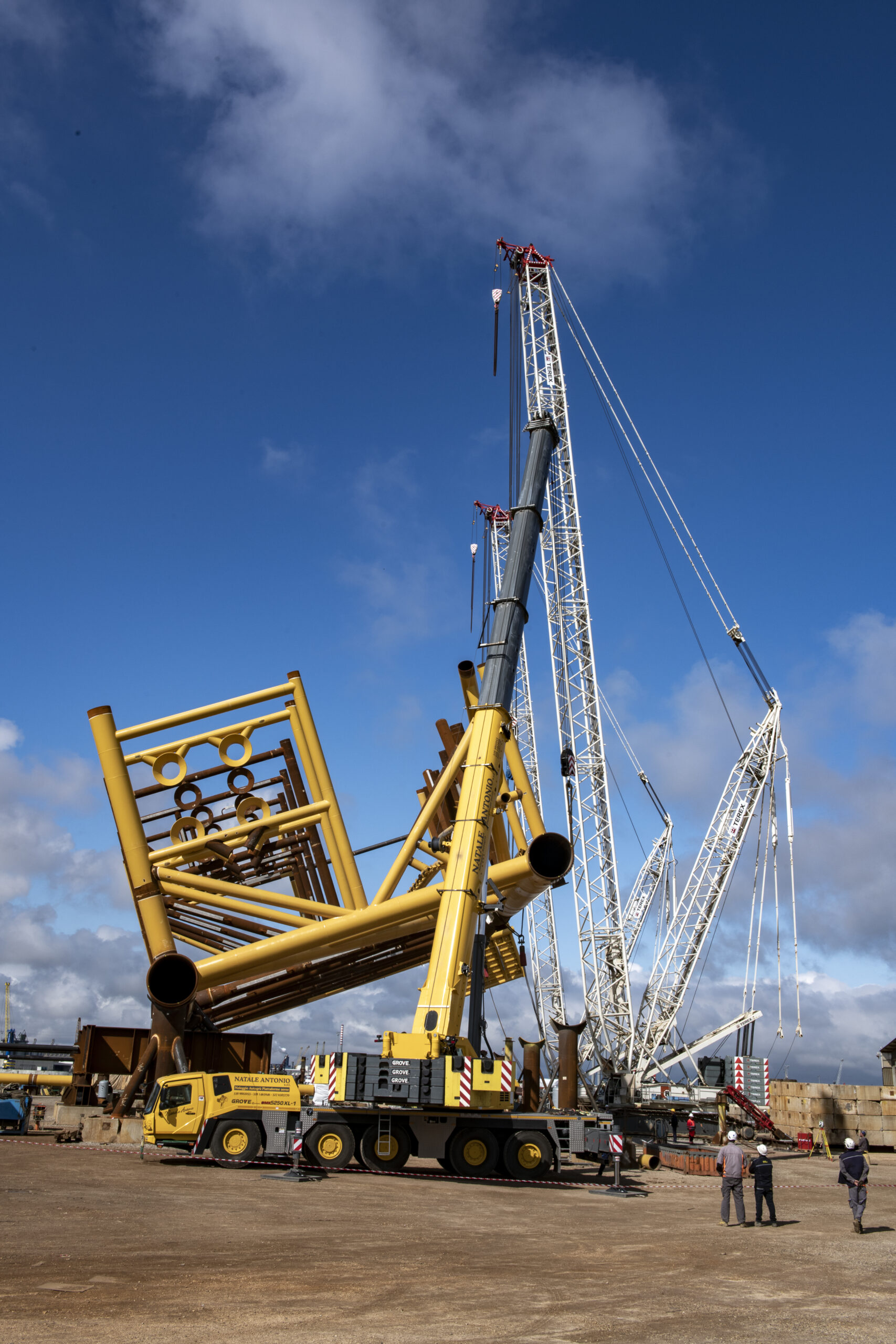
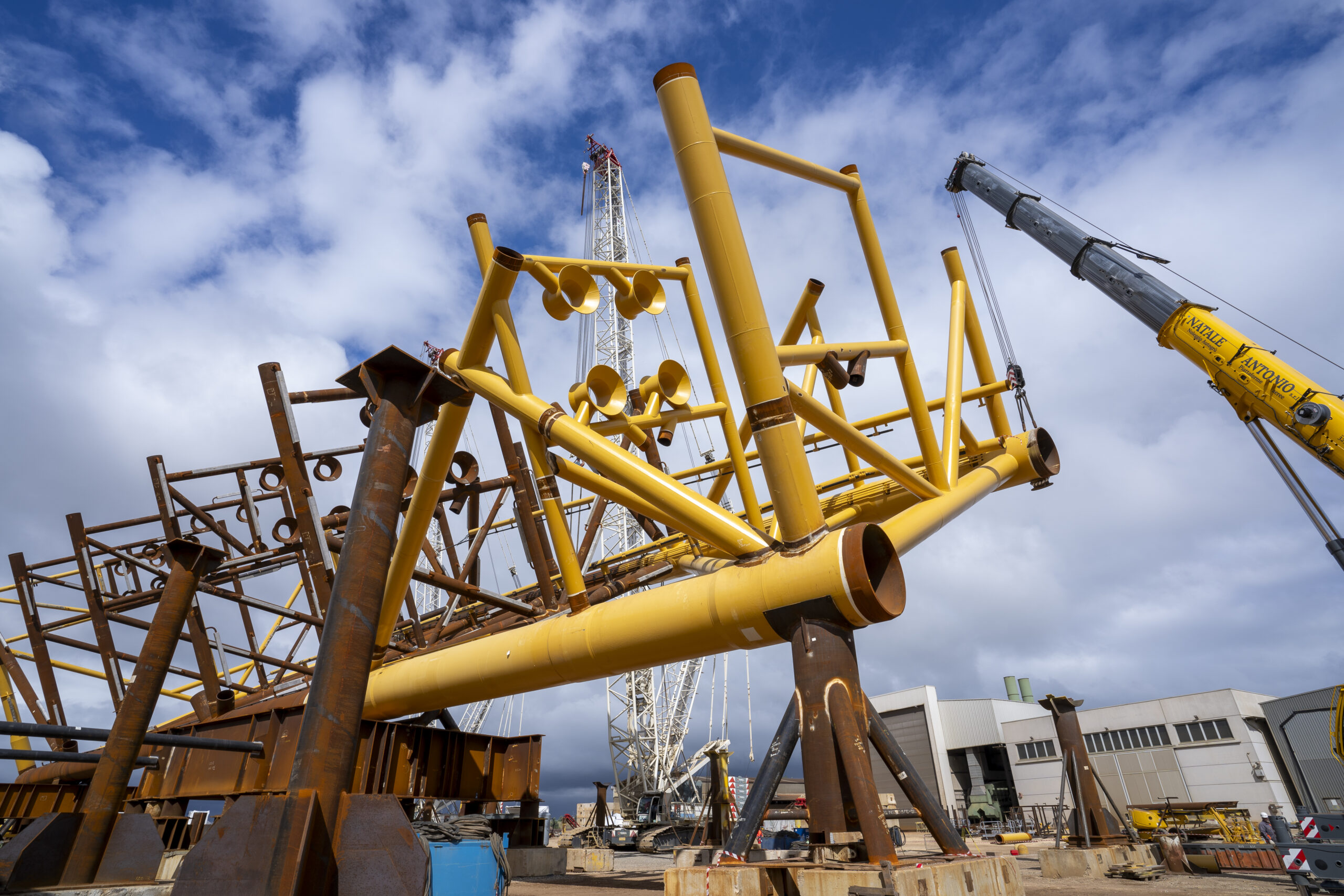
The FENIX gas field development represents a significant offshore engineering project for TOTAL AUSTRAL in the Cuenca Marina Austral (CMA-1) license area. TECON provided comprehensive structural engineering services for the design and analysis of a normally unmanned wellhead platform (L1 classification) designed for Phase 1 development with provisions for future expansion.
The FENIX field is part of a strategic offshore development program that has evolved over several decades, following successful projects like Hidra Centro, Hidra Norte, Carina, Aries, and Vega-Pleyade. This new platform was designed to accommodate three dry tree wells with a maximum production capacity of 10 MScmd, with MEG supply from onshore facilities via a 77km multiphasic pipeline to Rio Cullen. The structural design incorporates future expansion capabilities for Phase 2 (subsea well connections) and Phase 3 (compression platform integration).
Project Scope
TECON’s engineering scope encompassed the complete structural design of both the jacket substructure and topside facilities, covering all phases from detailed engineering through fabrication support and installation analysis.
Jacket Structure Design
- Four-legged jacket structure with through-leg foundation piles (grouted pile-leg annulus)
- Seven structural levels spanning from mudline (EL.-71.040m) to working point (EL.+16.600m)
- Integration of four conductor pipe slots (26″ OD) and pre-installed risers (24″ export line, 4″ MEG line, and four future development risers)
- Design of three pre-installed 16″ J-tubes and one 42″ OD disposal tube
- Foundation design with driven piles and comprehensive soil-structure interaction analysis
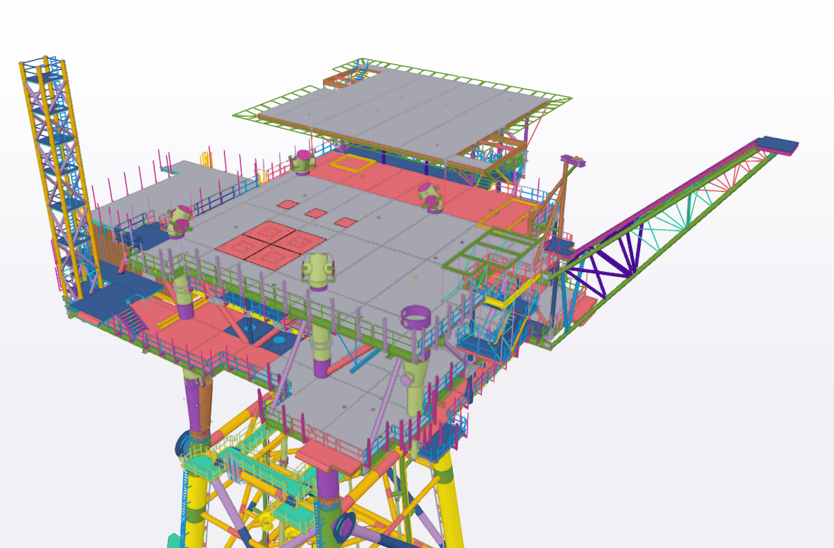
Topside Structures Design
- Four-deck configuration: Drain deck (EL.+24.35m), Lower deck (EL.+27.70m), Mezzanine deck (EL.+30.70m), and Upper deck (EL.+34.90m)
- Four-leg deck structure with 15.0m x 14.0m leg pattern
- Helideck design and integration at EL.+38.90m compliant with CAP 437 standards
- Vent boom, telecom mast, and crane pedestal structural design
- Blast wall and shelter module design for process safety
- Landing structure for future bridge connection
Comprehensive Structural Analyses
- In-place analysis for operating (1-year RP) and extreme (100-year RP) environmental conditions
- Seismic analysis using response spectrum method for Abnormal Level Earthquake (ALE)
- Spectral fatigue analysis for 20-year design life considering wave loading and transportation effects
- Boat impact analysis for supply vessel collisions including post-impact structural integrity assessment
- Abnormal wave load analysis (1000-year RP) to demonstrate progressive collapse prevention
Pre-Service Engineering
- Load-out analysis for both jacket and deck structures with multi-wheel trolley/SPMT support systems
- Sea transportation analysis including grillage and sea-fastening design
- Transportation fatigue analysis for voyage conditions
- Lifting analysis for offshore installation operations
- Jacket upending analysis
- On-bottom stability analysis for un-piled conditions with mudmat design
Engineering Approach
TECON employed advanced structural analysis utilizing SACS for global platform modeling and ANSYS for detailed finite element analyses, following API RP 2A-WSD methodology. The approach integrated comprehensive pile-soil interaction modeling with site-specific geotechnical data, dynamic amplification factors for wave loads, and spectral fatigue analysis with design factors from 2 to 10 based on joint criticality. Special emphasis was placed on robustness through 50% brace capacity checks, boat impact resistance with grouted pile-leg annulus, and abnormal wave resistance to prevent progressive collapse.