Irish Sea, Liverpool Bay | United Kingdom Continental Shelf
The Liverpool Bay CCS Transport & Storage Project (LBA CCS T&S Project) is being developed in parallel with and as a key part of the HyNet Northwest full-chain hydrogen and CCS industrial decarbonisation project. This transformative initiative is designed to convert a region of the UK into the world’s first low carbon industrial cluster by 2030, providing critical infrastructure for carbon capture and storage utilizing existing offshore facilities.
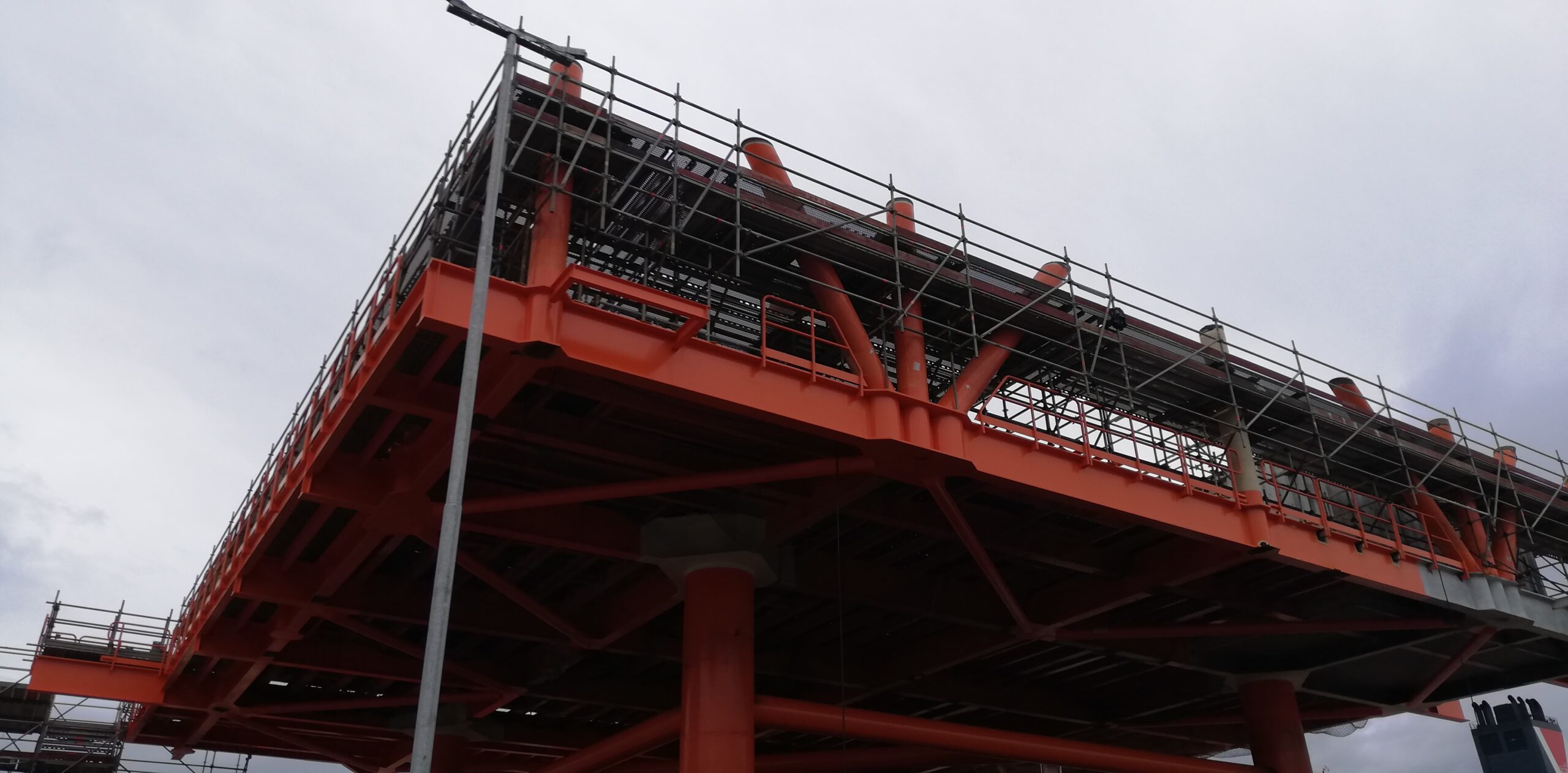
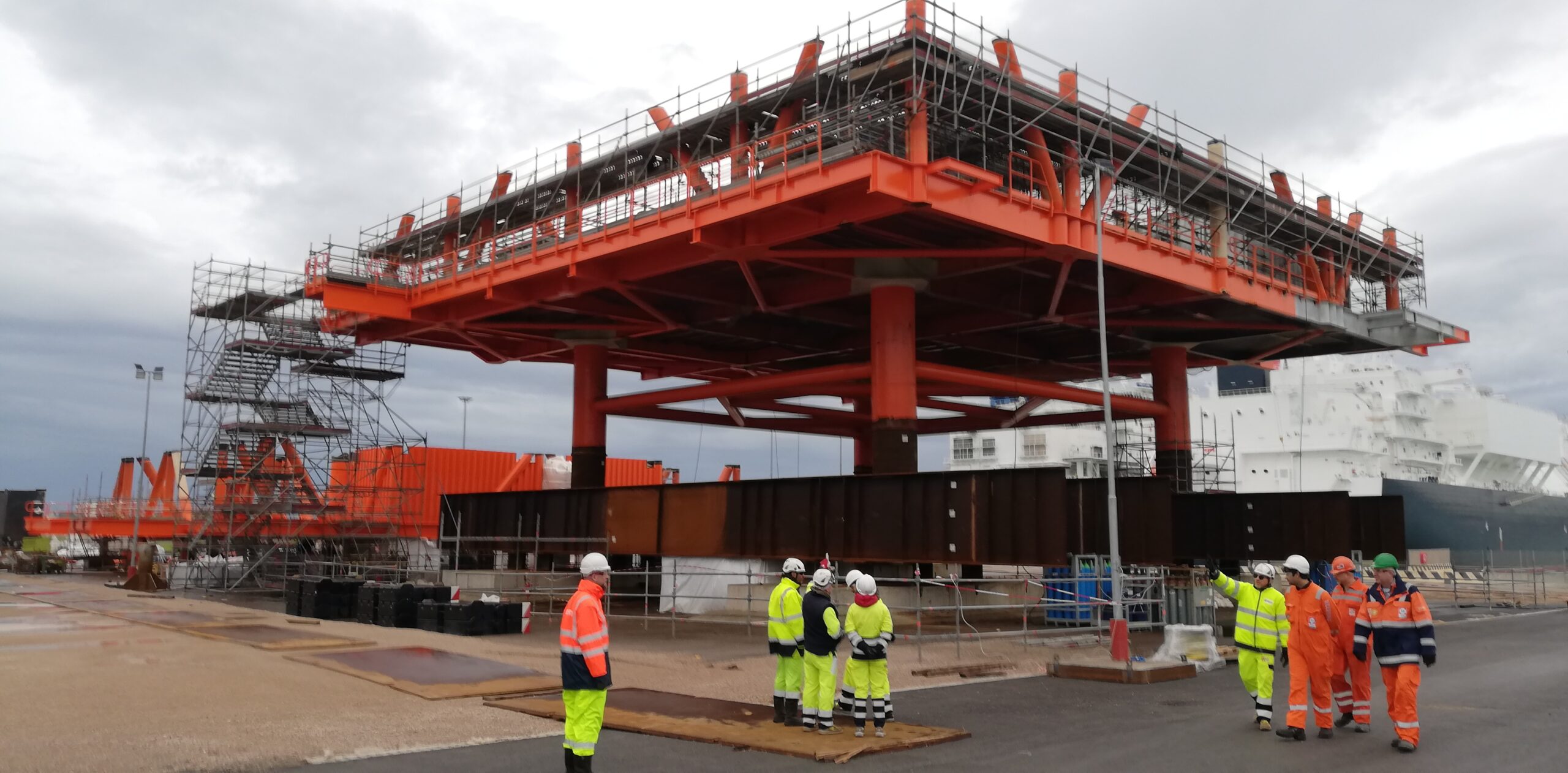
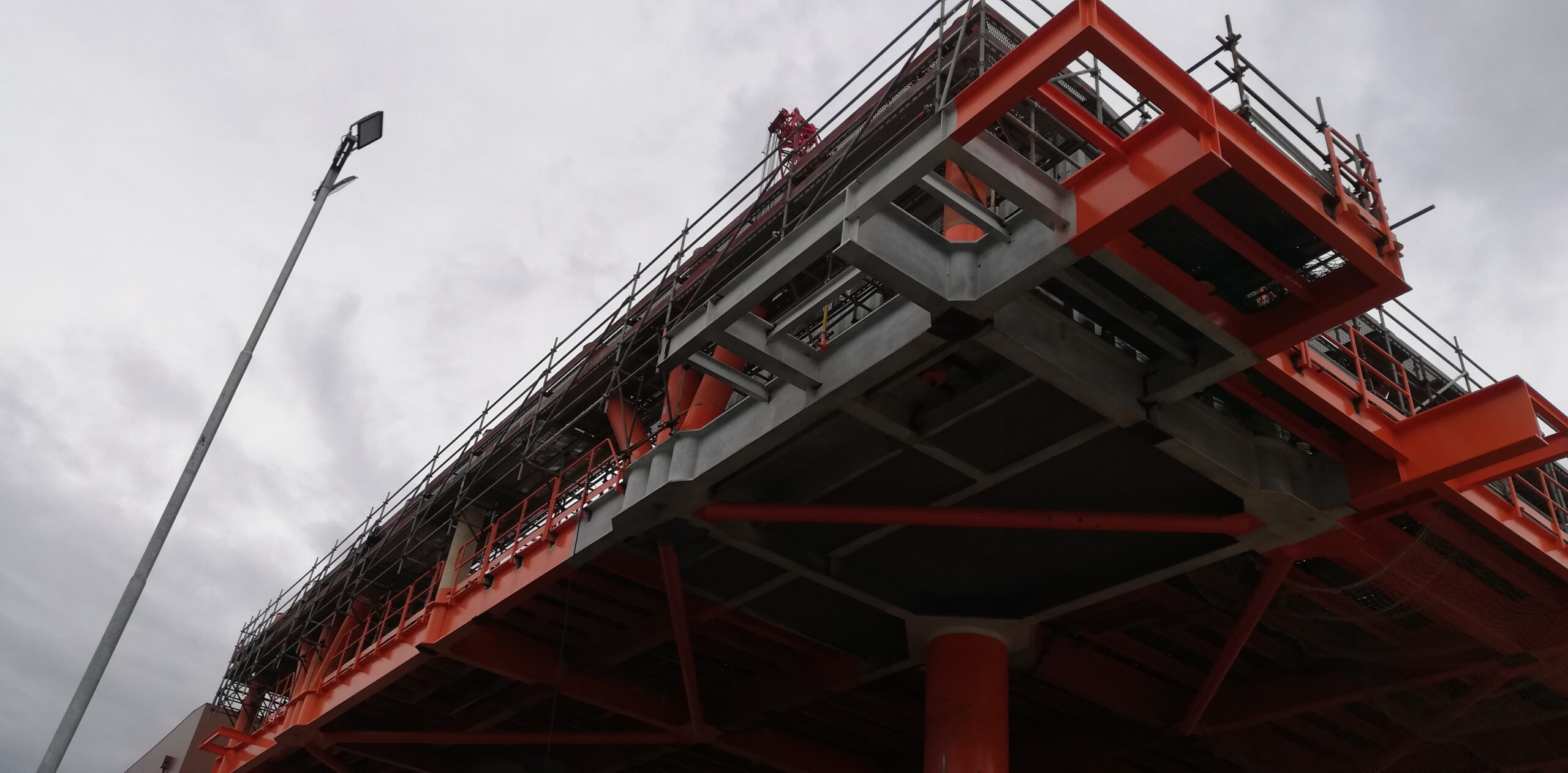
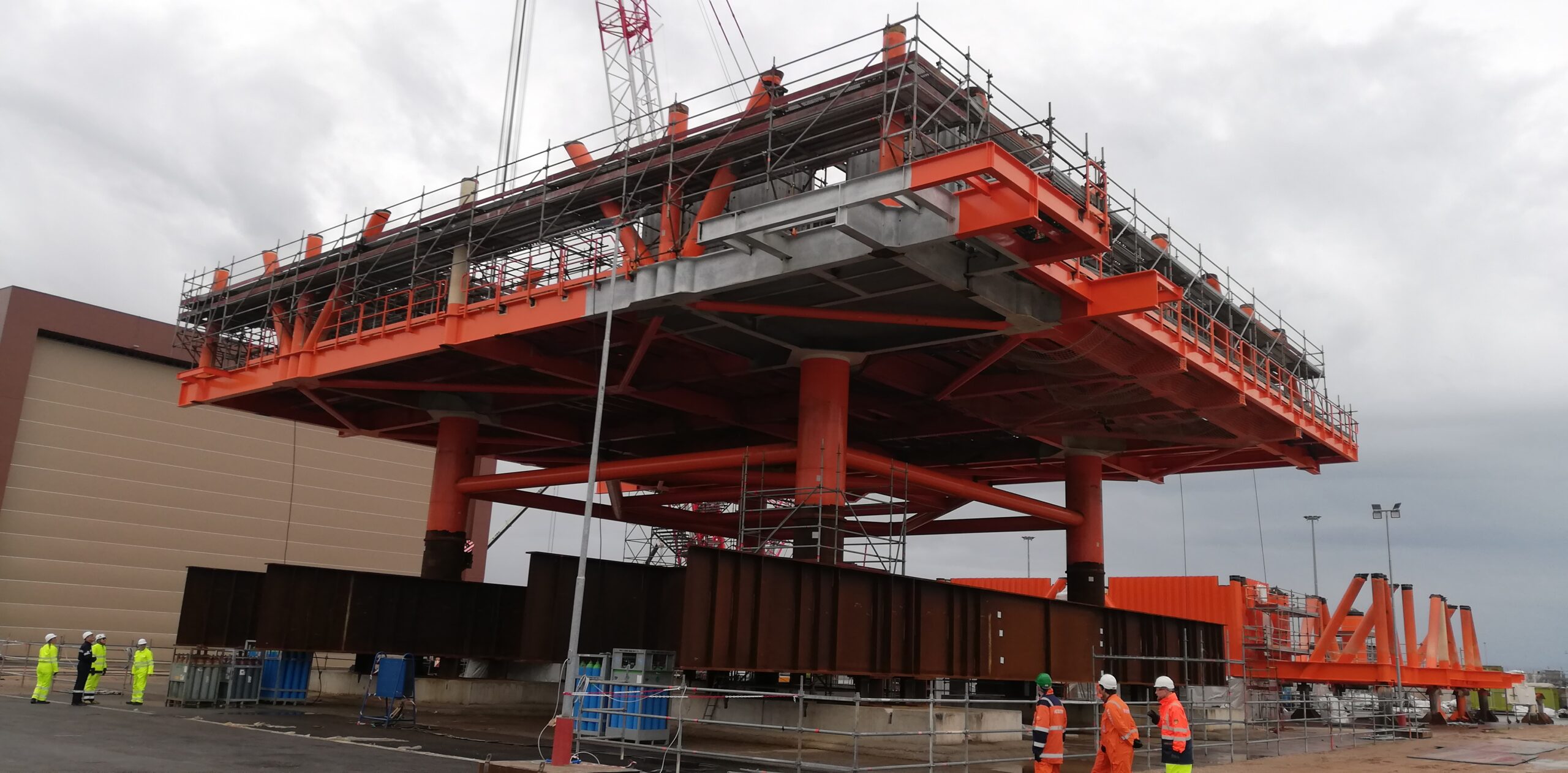
Eni UK is repurposing existing oil and gas facilities at Point of Ayr and offshore in Liverpool Bay to provide CO₂ storage in depleted and well-known gas fields. The offshore scope includes the conversion of four platforms – Douglas CCS, Hamilton, Hamilton North, and Lennox – from gas production to CO₂ injection facilities, representing a major engineering challenge requiring comprehensive structural assessment and modification design.
TECON has been contracted by Rosetti Marino to provide complete structural engineering services for the modification and life extension of four offshore platforms in Liverpool Bay. The scope encompasses detailed engineering design, covering both jacket substructures and topside facilities.
TECON’s engineering approach follows the limit state design methodology per ISO 19900 series and Eurocode 3, utilizing advanced analysis software including SACS for global structural analysis, ANSYS for finite element analysis, and AutoPIPE for riser stress analysis. All platforms are designed for normally unmanned operation with L1 or L2 classification depending on the facility.
The structural analysis encompasses comprehensive load combinations for Ultimate Limit State (ULS), Accidental Limit State (ALS), Fatigue Limit State (FLS), and Serviceability Limit State (SLS). Environmental loads are based on site-specific metocean data with return periods up to 10,000 years for abnormal conditions. Dynamic amplification factors are applied to account for structural response, and pile-soil interaction is modeled using non-linear PSI analysis.
For the three existing platforms (Hamilton, Hamilton North, and Lennox), the design includes assessment of existing conditions with corrosion allowances and life extension from 30 to 55 years total service life. The new Douglas CCS platform is designed for a 25-year service life with full consideration of fabrication, transportation, and installation phases.