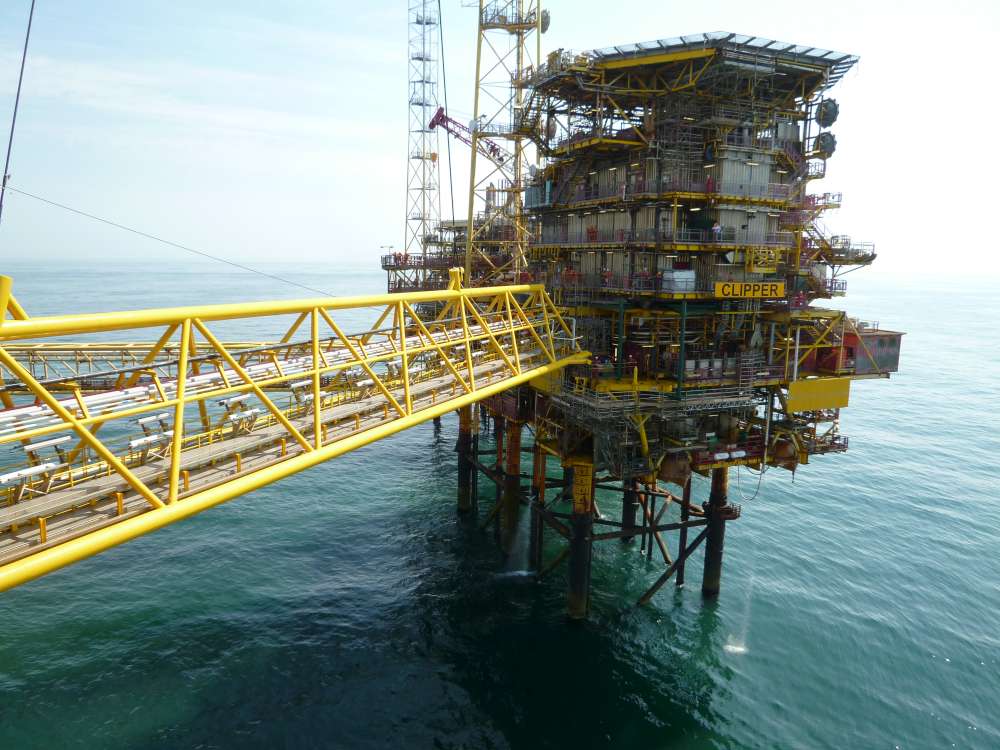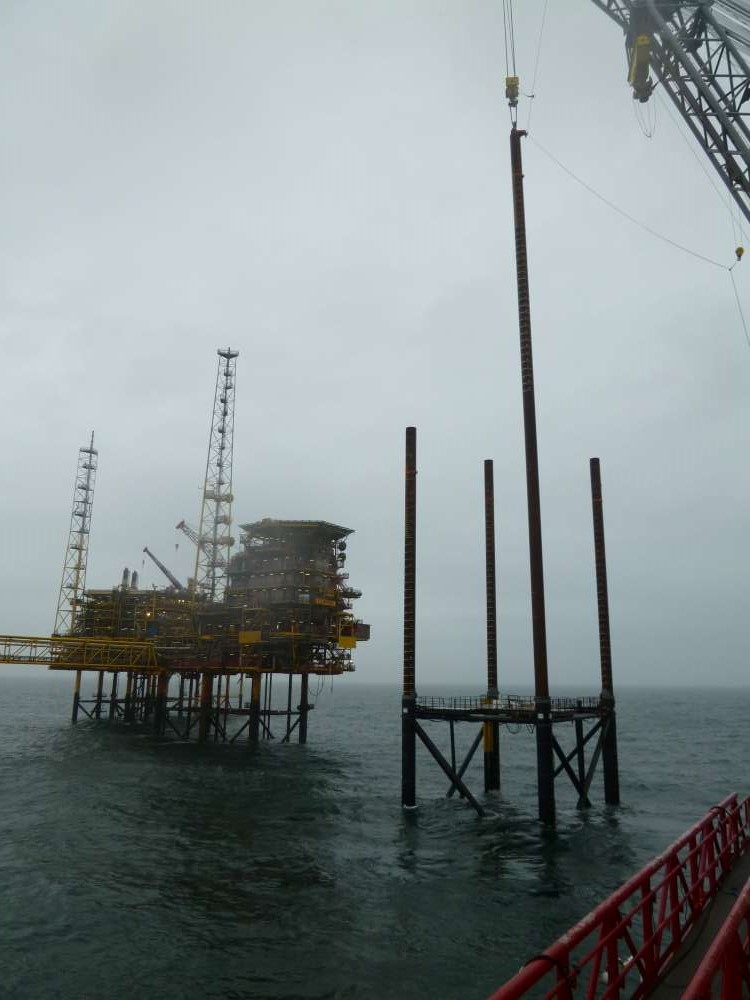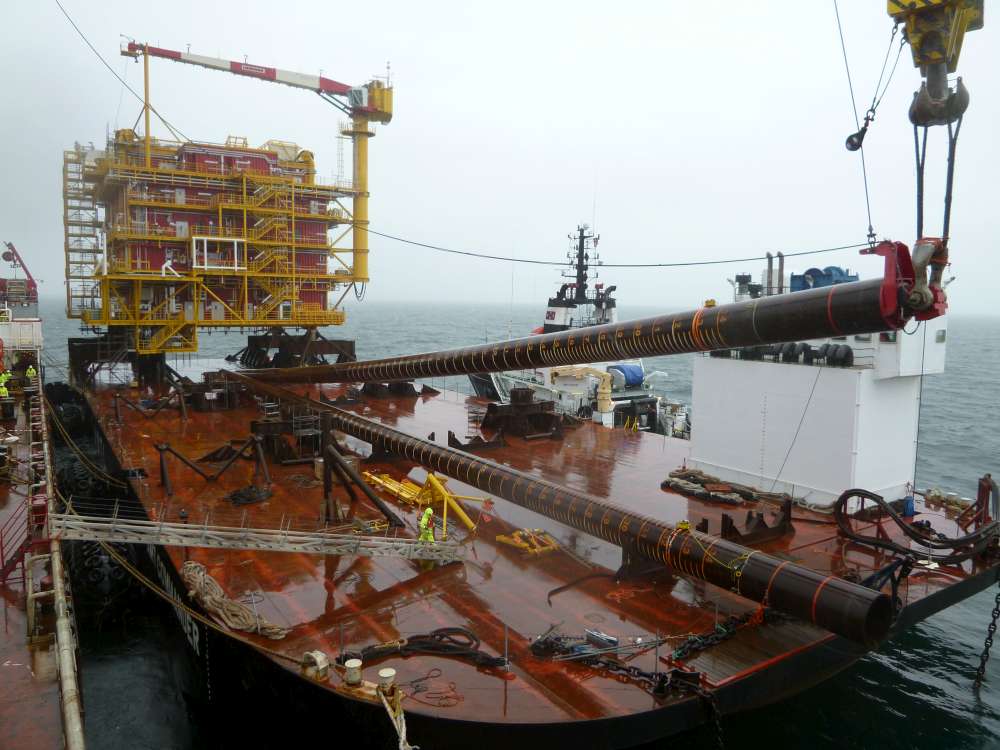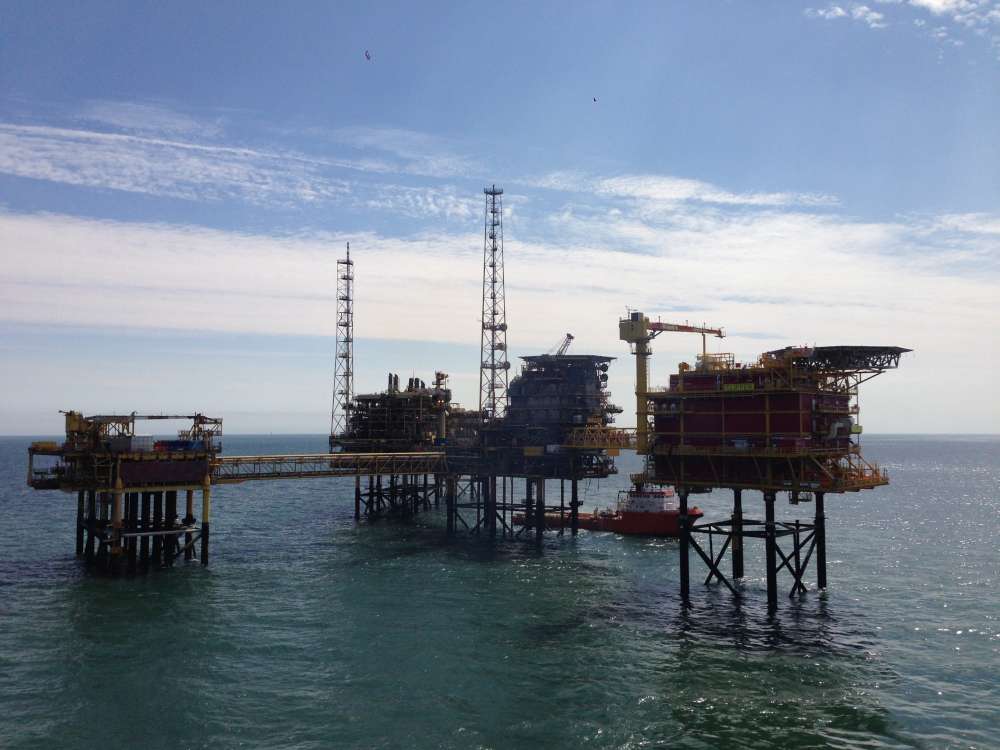
The Clipper Platform represents a significant offshore engineering achievement in the UK North Sea. Developed for Shell UK Ltd and executed through client Rosetti Marino, this project involved the comprehensive detailed design of a sophisticated Personnel and Housing (PH) Platform, including its jacket foundation, topside structures, and bridge connection to the existing PT platform.
Located 113 km North Northeast of Lowestoft, 73 km from Bacton, and 66 km from the nearest point on the Norfolk coast, the Clipper field stands in 22 meters of water in the Southern sector of the UK North Sea. The project required careful consideration of environmental conditions, operational requirements, and integration with existing infrastructure to deliver a state-of-the-art accommodation and utility platform.
The new PH Platform is a PLQ (Personnel Living Quarters) module, complete with a helideck and an integrated cellar deck, installed on a four-legged jacket structure and bridge-linked to the PT platform. The design accommodates comprehensive living and working facilities in a harsh offshore environment while maintaining the highest safety and operational standards.
TECON provided comprehensive detailed design services covering all structural aspects of the platform. Our engineering scope encompassed the complete design lifecycle from concept validation through to construction documentation, ensuring full compliance with North Sea regulatory requirements and industry standards.
The design process incorporated advanced structural analysis methods to verify performance under extreme environmental conditions including storm waves, wind loads, and seismic events. Particular attention was paid to fatigue analysis given the dynamic nature of offshore structures and the intended operational life of the facility.
Our multidisciplinary team coordinated closely with Rosetti Marino and Shell UK Ltd to optimize the design for fabrication efficiency, installation methodology, and long-term operational performance. The detailed design phase included preparation of construction drawings, material specifications, welding procedures, and installation procedures for both in-place and temporary phases.