Client: SARLUX Srl | Owner: SARLUX Srl
The Saras Group is one of the main independent oil refining operators in Europe. The Sarroch refinery, located on the southern coast of Sardinia west of Cagliari, is one of the largest refineries in the Mediterranean in terms of production capacity and structural complexity. With a processing capacity of over 15 million tonnes per year—equivalent to 300,000 barrels per day—the refinery provides approximately 17.2% of Italy’s total refining capacity.
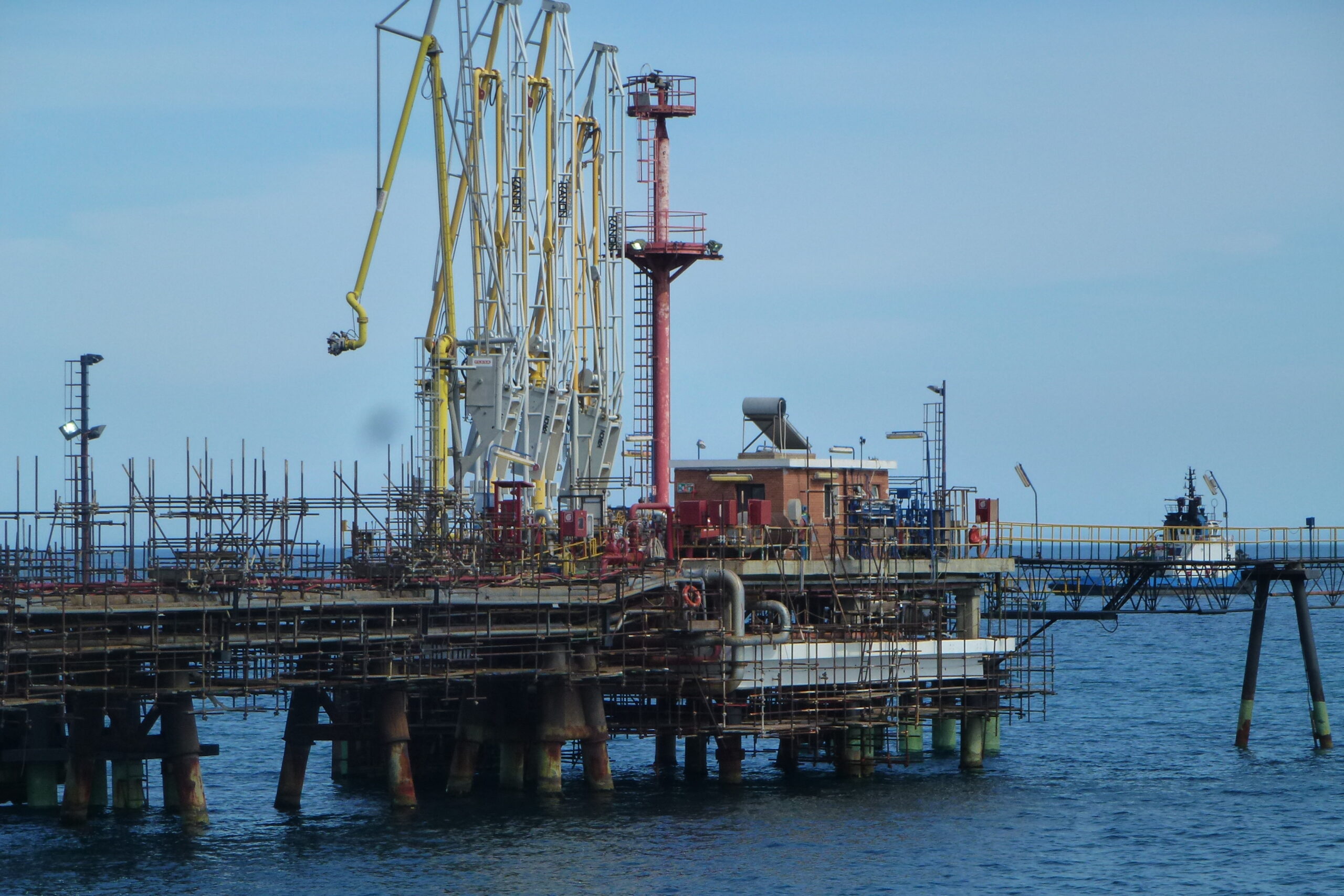
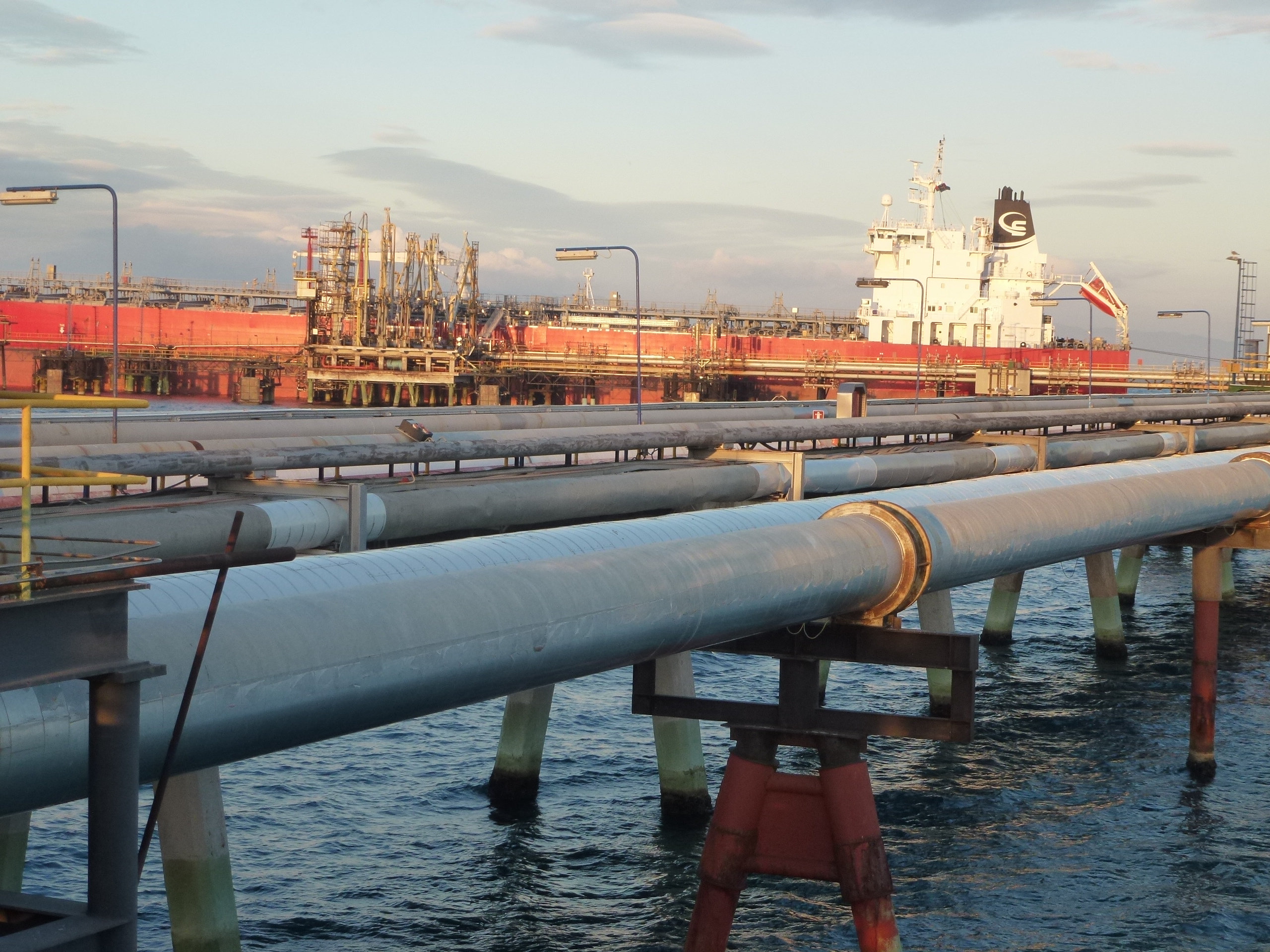
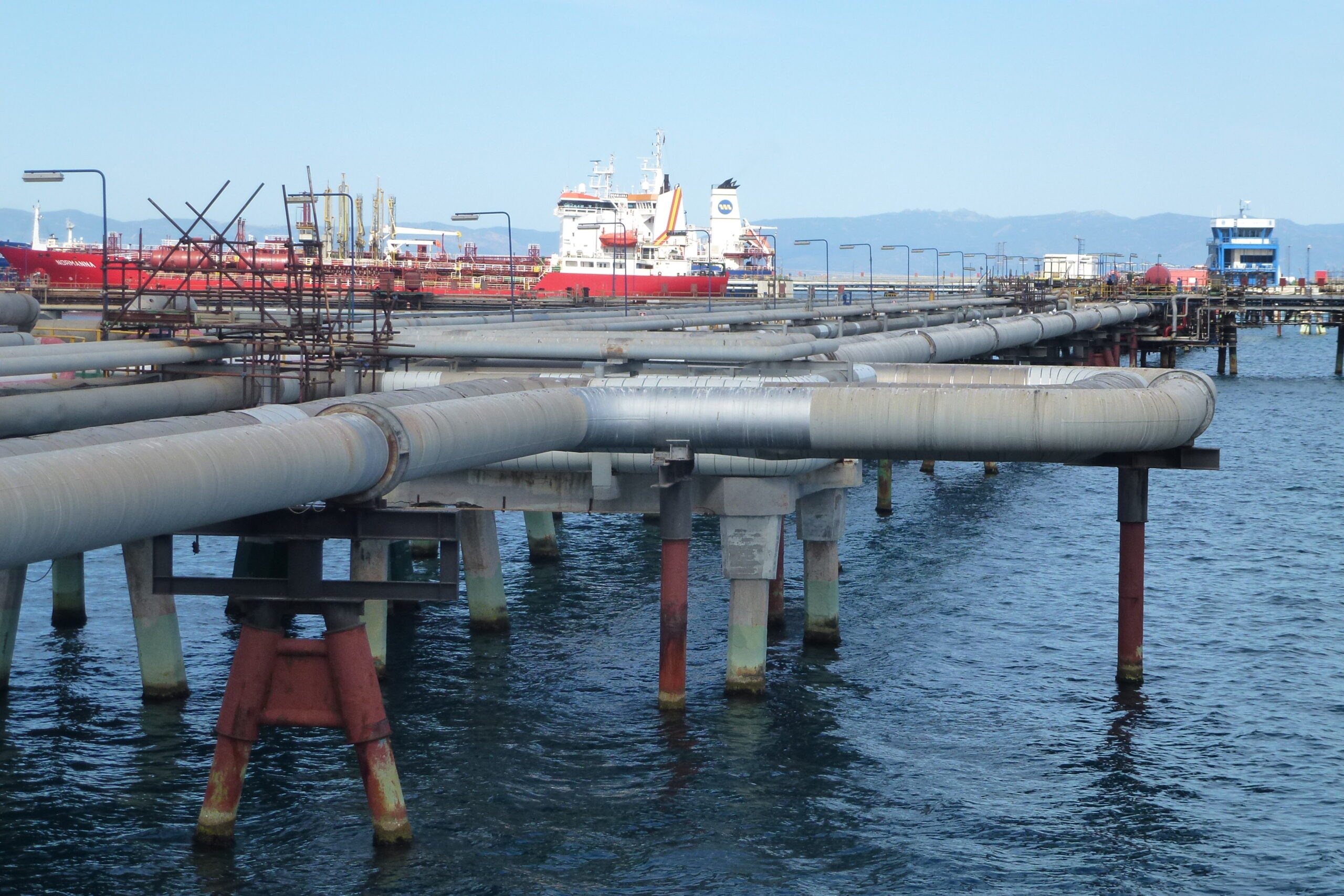
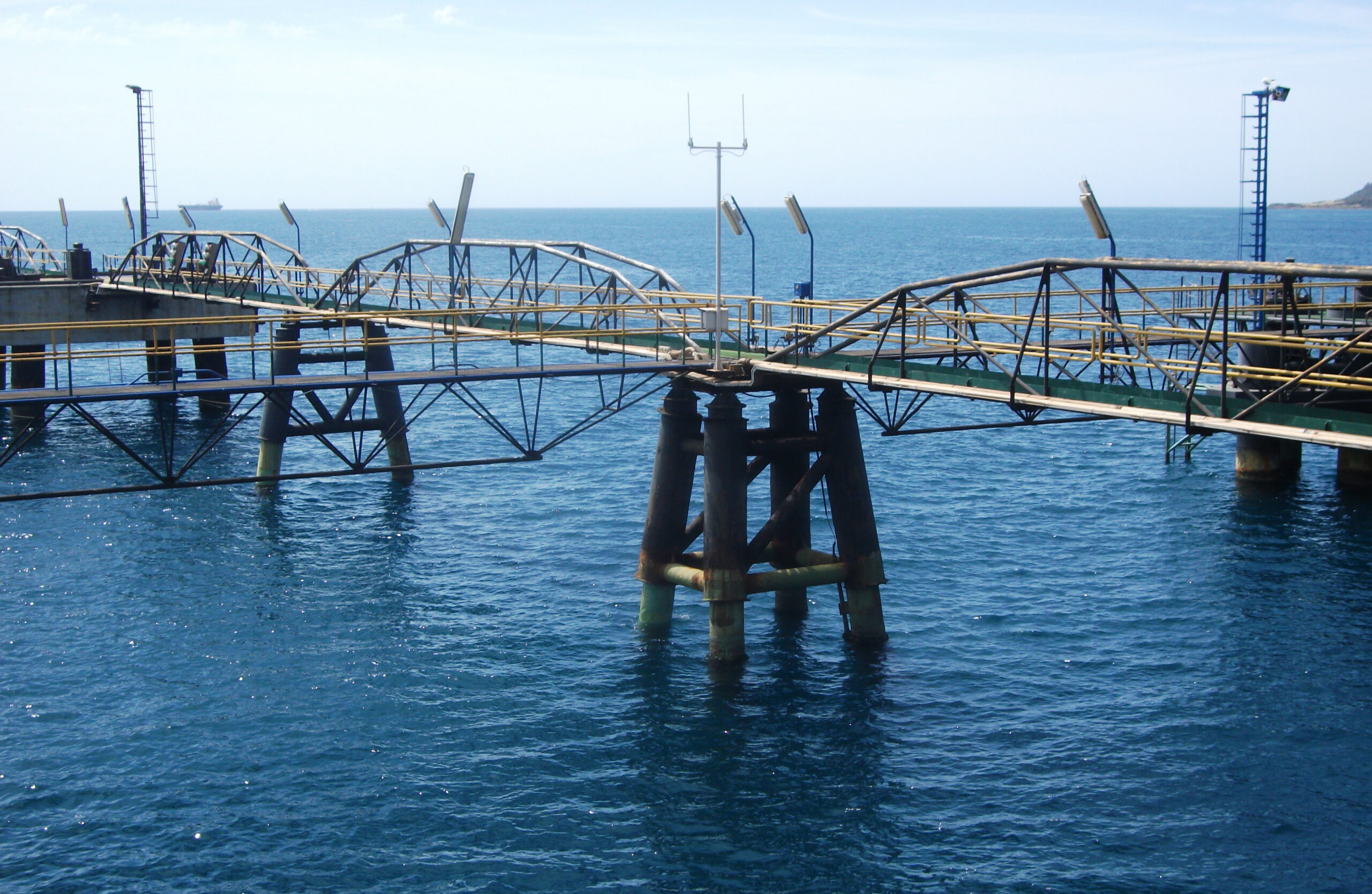
The Group is engaged in the production of petroleum products through its subsidiary Sarlux. The Sarlux plant lies adjacent to the sea, and its marine terminals serve as its gateway to the world. The majority of crude oil for the refining process is delivered by sea, and similarly, most finished products are shipped via maritime routes. This strategic coastal location makes the marine terminal infrastructure critical to the facility’s operations.
The existing terminal at the South plant features 11 independent mooring points, with 9 designed for tankers up to 65,000 tonnes. These berths are utilized for shipping finished oil products and receiving semi-processed materials. The two piers located further from the shore accommodate larger tankers up to 300,000 tonnes and are dedicated to crude oil unloading operations. Given the evolving metocean conditions and increasing operational demands, a comprehensive upgrade of the terminal infrastructure became essential to maintain operational efficiency and safety standards.
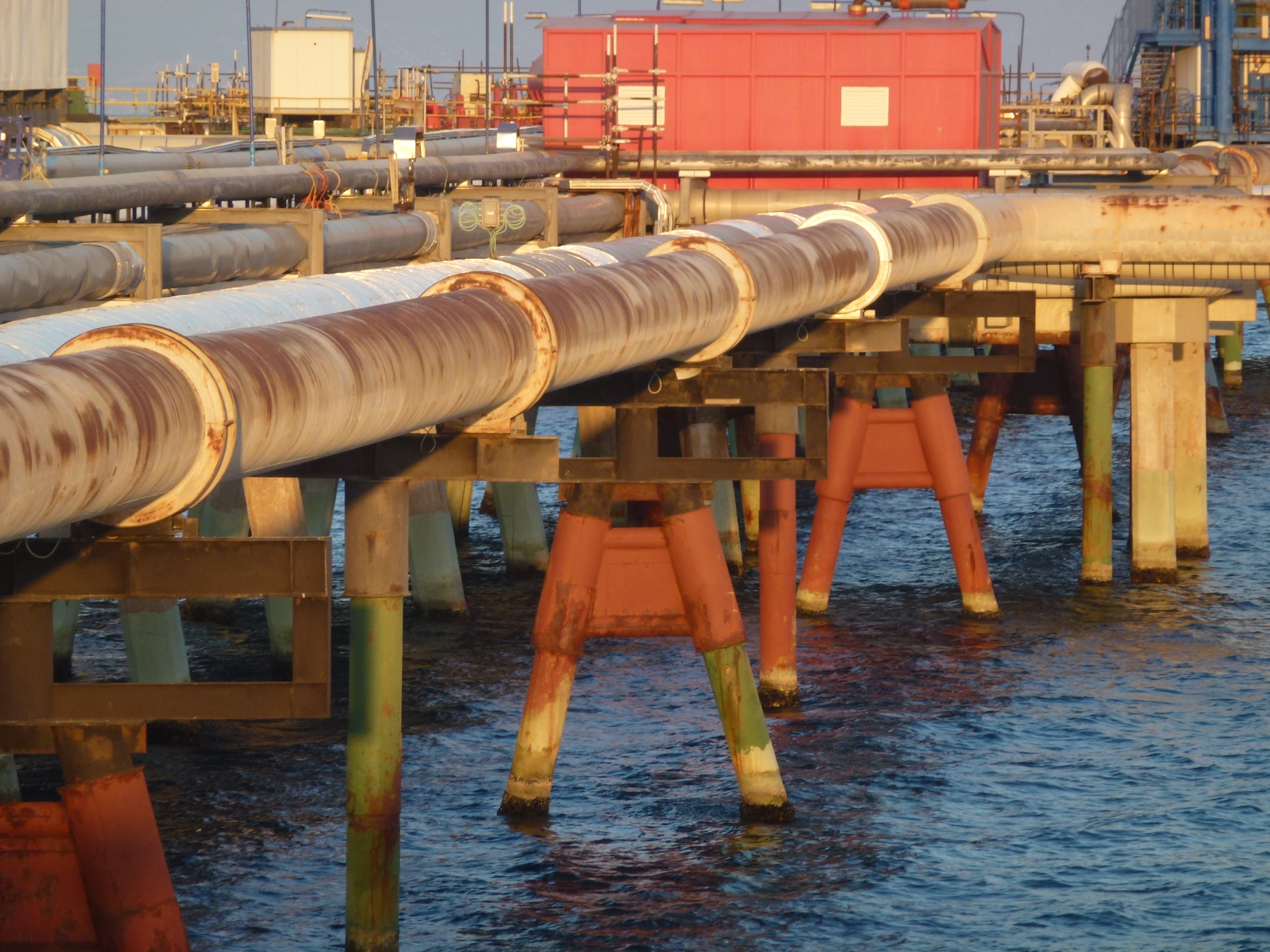
TECON provided comprehensive detailed design services in multidisciplinary engineering for the revamping and extension of the SARAS refinery marine terminal facilities. The project encompasses structural, process, piping, electrical, and instrumentation engineering across multiple interconnected work packages designed to enhance capacity, safety, and operational flexibility.
TECON’s multidisciplinary engineering team delivered detailed design services that integrated structural, mechanical, process, electrical, and instrumentation engineering disciplines. The approach emphasized coordination between marine structural requirements and process operations, ensuring that all systems work seamlessly together. Special attention was given to environmental considerations, including vapour recovery systems and emission control, reflecting the industry’s commitment to sustainable operations. The design also incorporated future-proofing elements to accommodate potential expansion and evolving regulatory requirements in the Mediterranean region.