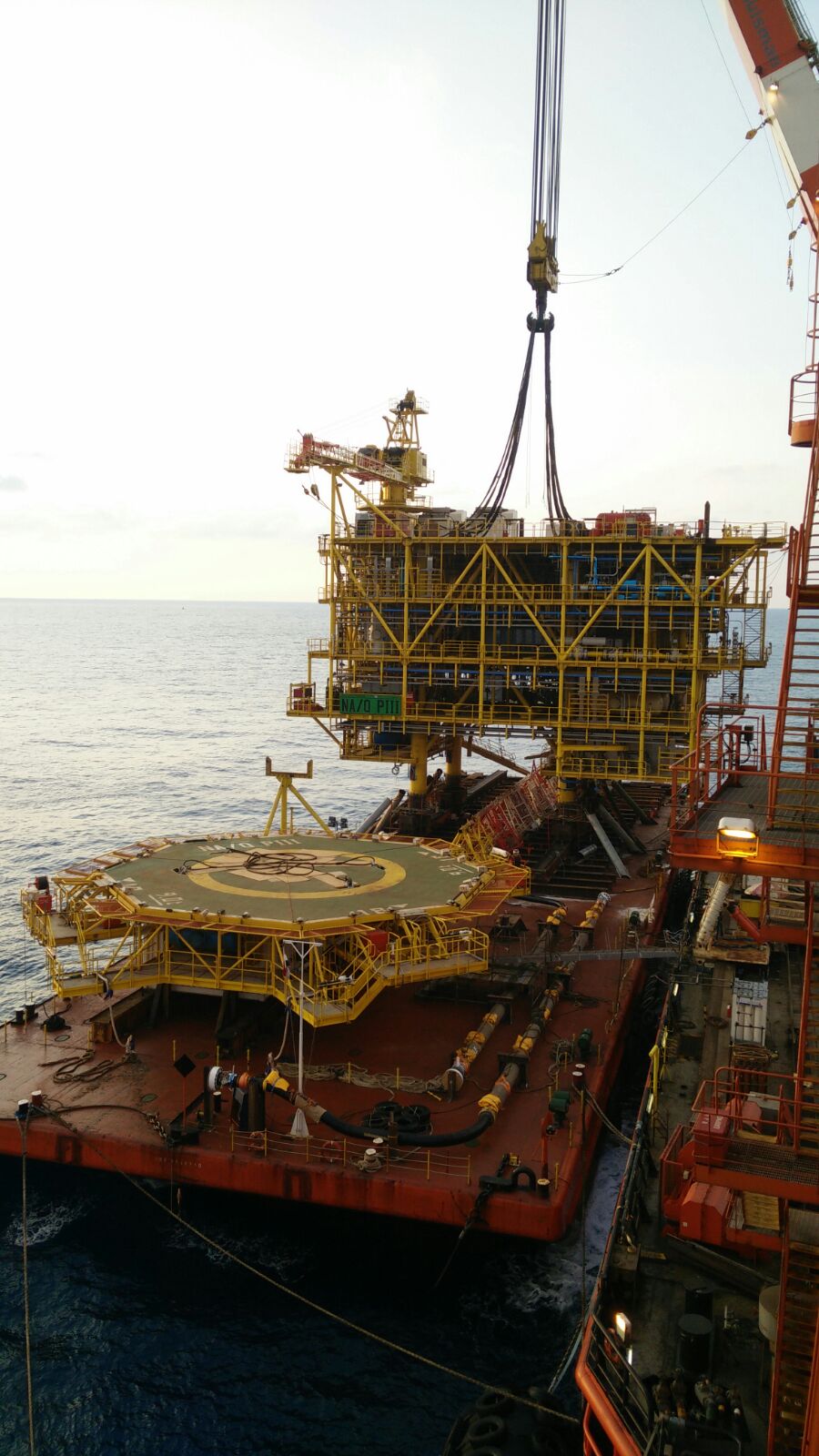
The NAQ PIII offshore platform project represents a sophisticated engineering endeavor completed for Saudi Aramco through their Egyptian client Abu Qir Petroleum. Located in Egyptian waters, this production platform serves as a critical component of the region’s oil and gas infrastructure, designed to accommodate multiple production wells and provide comprehensive processing facilities.
Completed between 2011 and 2013, the project required meticulous engineering of both substructure and topside facilities to meet stringent operational requirements while ensuring structural integrity in the challenging marine environment. TECON provided detailed design services for the jacket foundation system, piling, and multi-level deck structures, ensuring seamless integration of all production and safety systems.
The NAQ PIII platform encompasses a comprehensive offshore facility designed for long-term production operations. The project scope included the complete structural design of a fixed jacket platform with multiple operational levels, wellhead management systems, and auxiliary facilities necessary for safe and efficient hydrocarbon production.
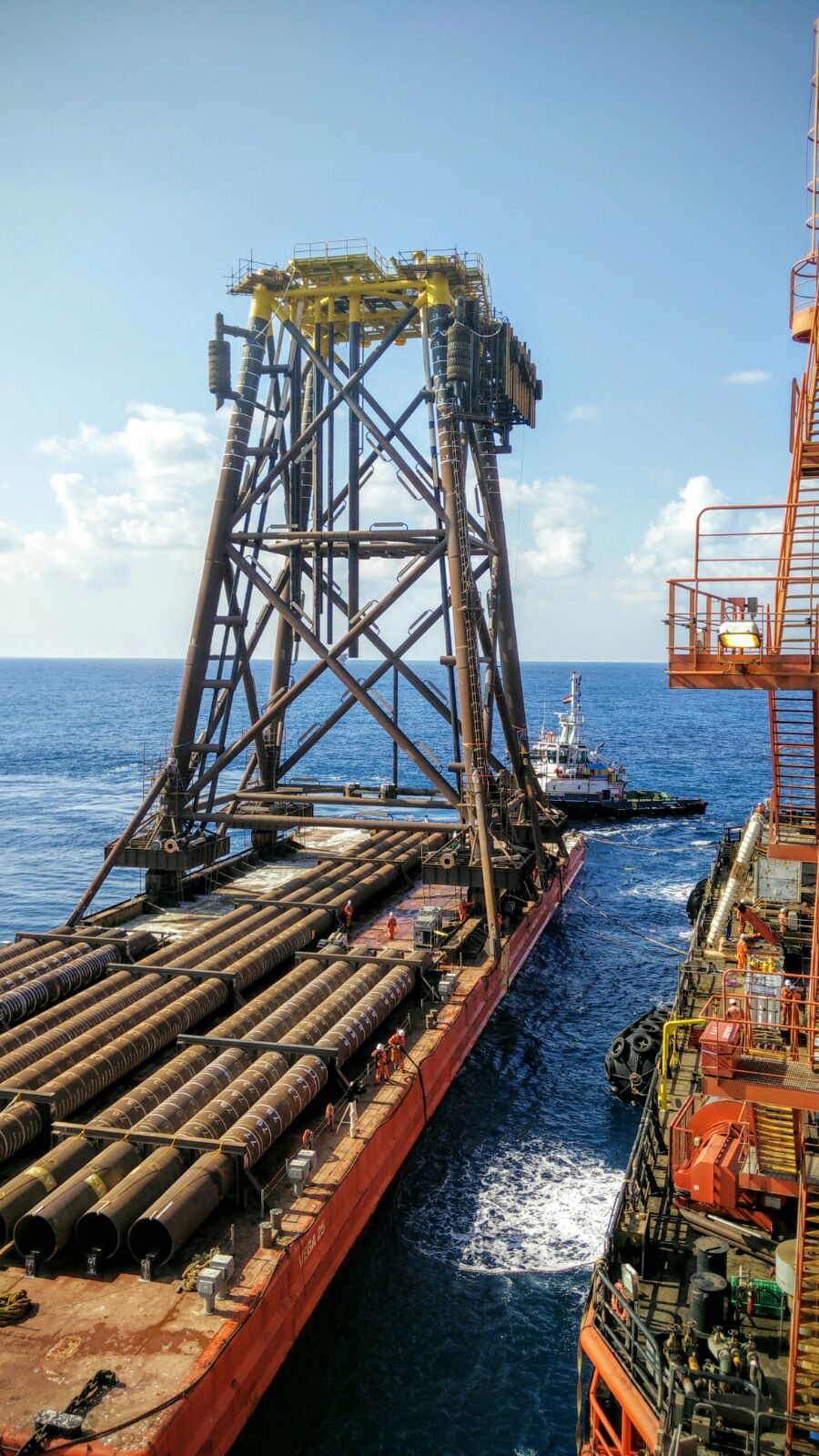
TECON’s engineering services encompassed the complete detailed design phase of the platform structures. Our multidisciplinary team conducted comprehensive structural analysis using advanced finite element methods to verify integrity under operational loads, environmental forces including waves, wind, and seismic effects, and temporary conditions during transportation, lift, and installation phases.
The design methodology incorporated international standards and codes specific to offshore structures, ensuring compliance with both client requirements and regulatory frameworks. Particular attention was paid to fatigue analysis, given the cyclic nature of wave loading, and to the complex load paths through the jacket structure. The integration of process equipment loads with structural design requirements necessitated close coordination with other engineering disciplines throughout the design development.
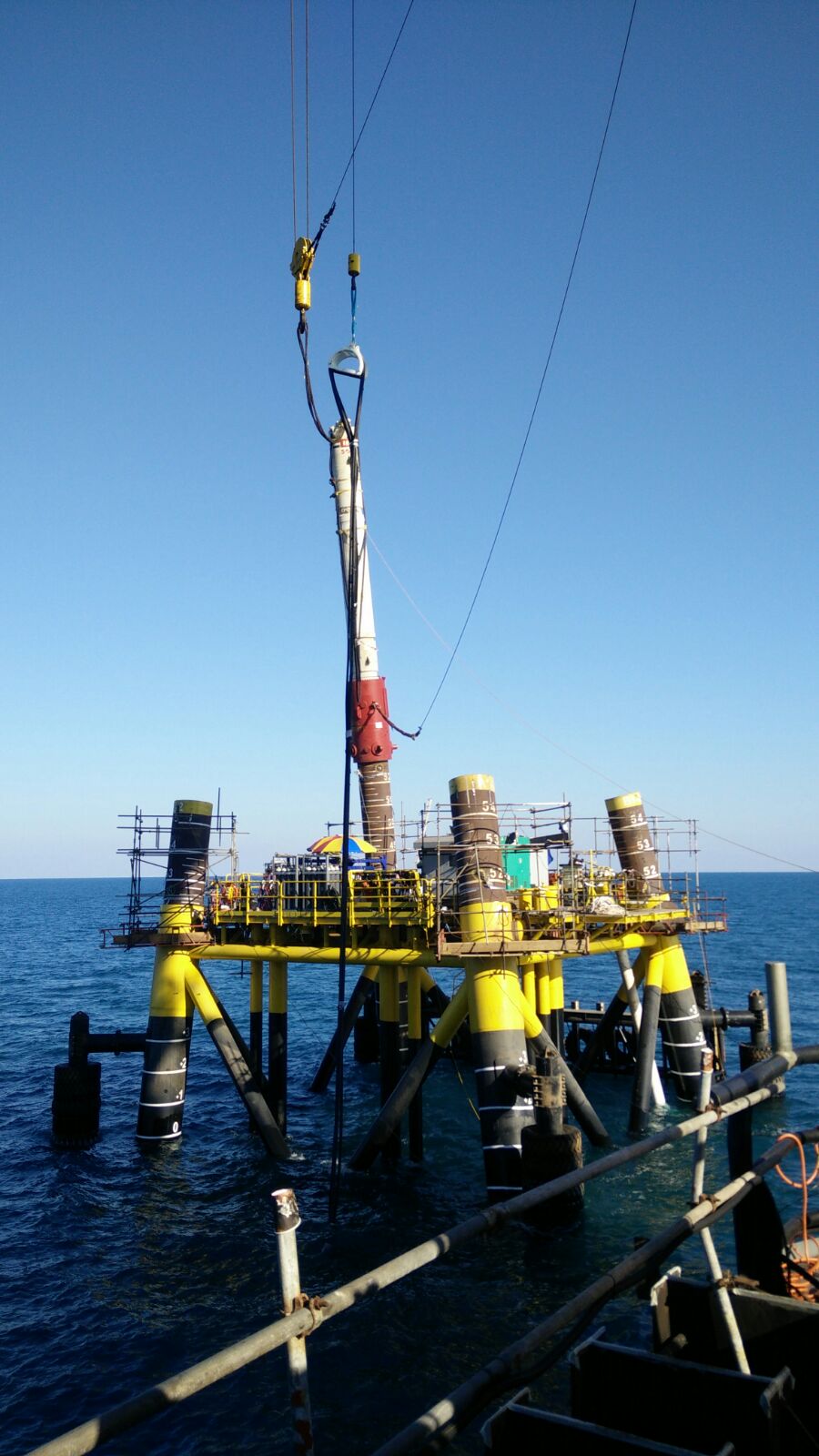
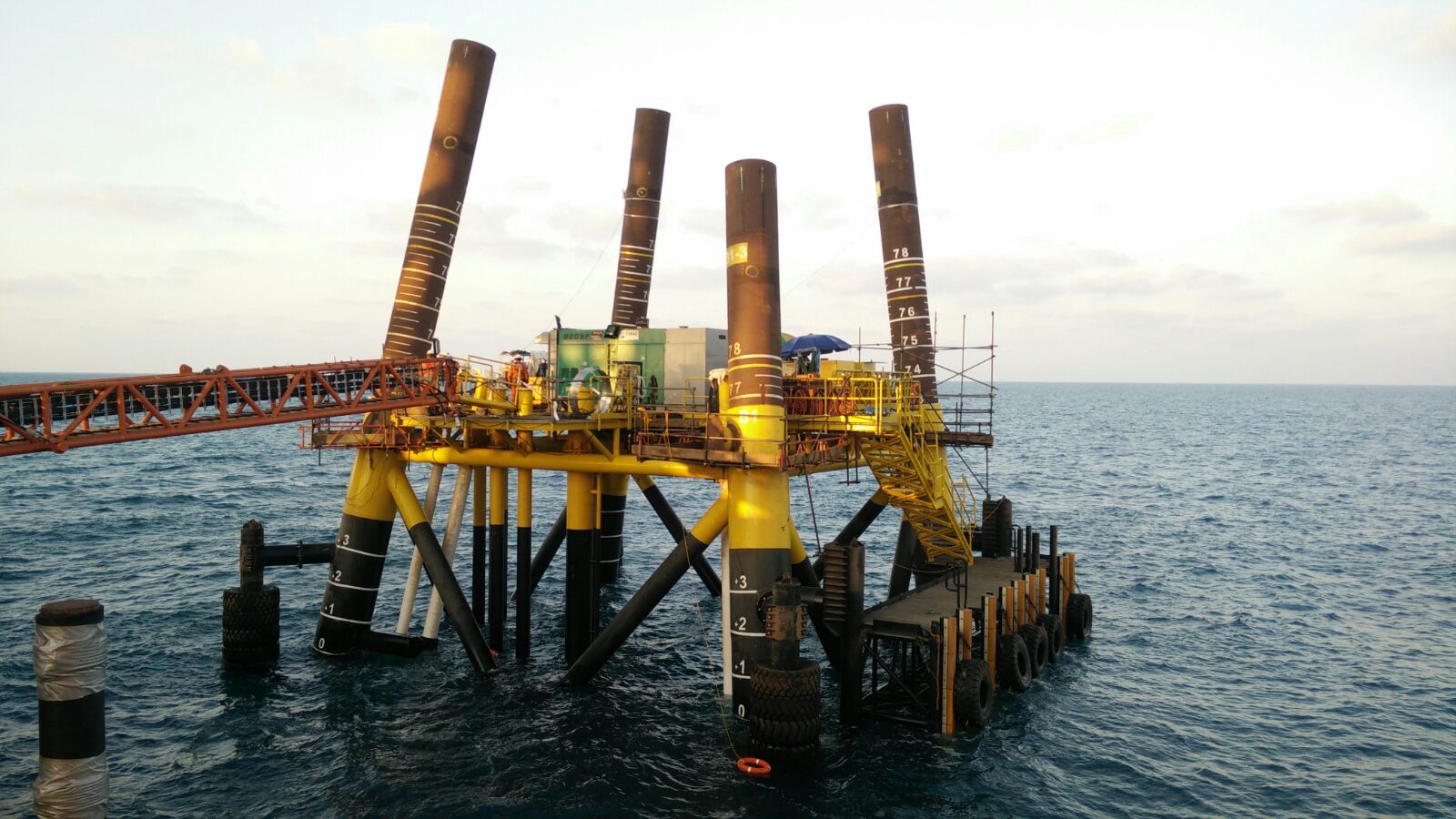
Foundation design included detailed soil-structure interaction analysis to optimize pile dimensions and ensure adequate capacity for both axial and lateral loading scenarios. The design also considered installation procedures, with specific analyses performed for the loadout, transportation, and offshore installation sequences to guarantee structural integrity throughout all project phases.